



Sri Satguru Ram Singh Ji
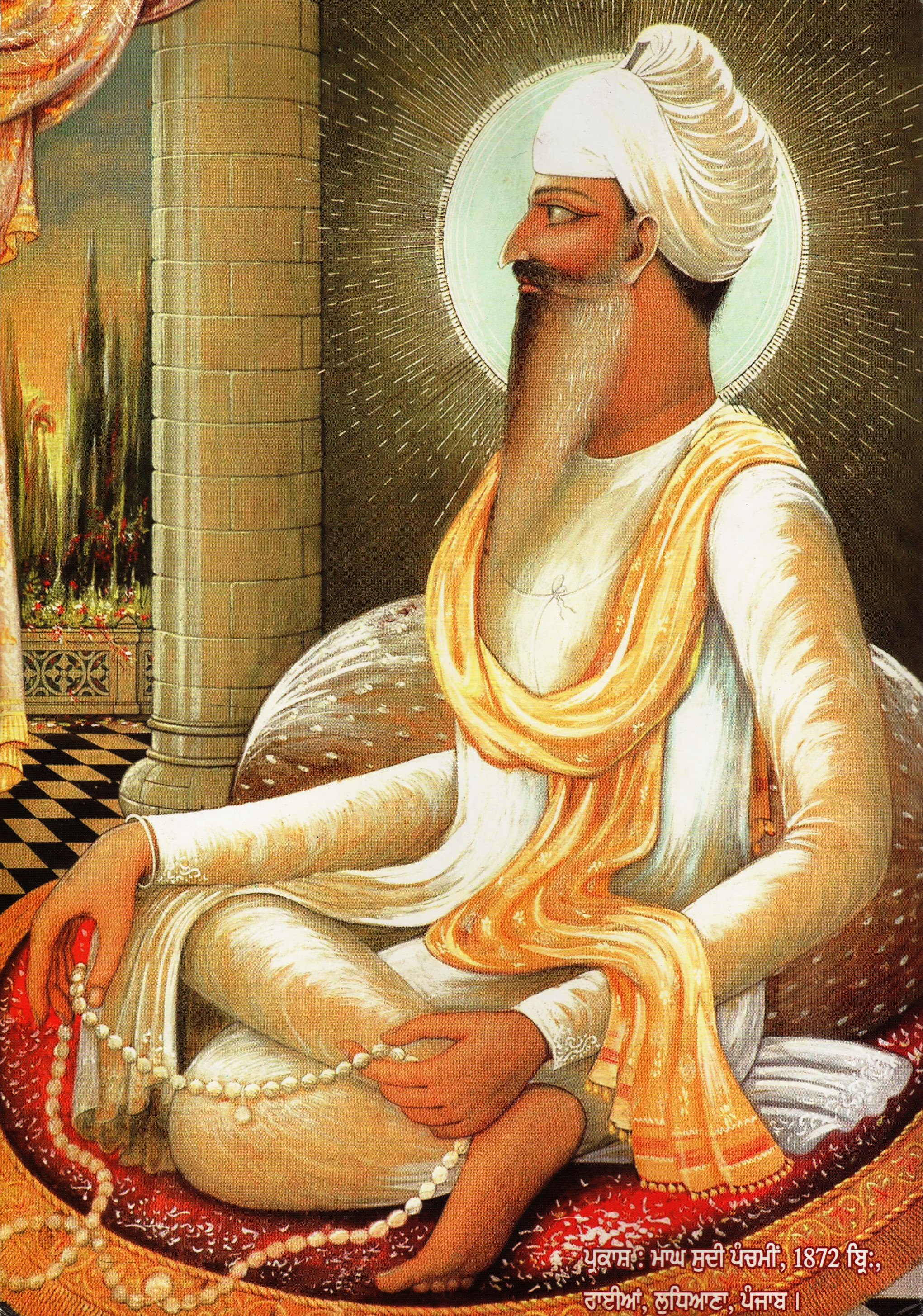
12th Patshah
Sri Satguru Ram Singh Ji
Twenty five kilometres from Ludhiana is located a small village of Sri Bhainee Sahib which embodied a rural life typical in the land of the five rivers. Around its fields, there existed a corporate life led by simple, God-fearing and innocent people In Such a village was born the great Guru of the Namdhari Sikhs n the year 1816 This was the day when the fields were green with the crops and the yellow flowers were dancing majestically from the stems of the plants.
Early Career
Like many other great souls and Saints, Guru Ram Singh had a pious mother who reared him up by Singing to him the verses from the Holy Granth, and by narrating to him the lives and adventures of the Gurus and other Epic heroes.
Jassa Singh the father of Guru Ram Singh, held a key position in the village and was greatly respected. Guru Ram Singh grew up in such a house. He learnt Gurmukhi from his mother and he memorized many parts of the ‘Bani.’ At the age of 9 Guru Ram Singh began to help his father in many works. While the other boys sang the village folk songs, this promising child always sang verses from the Granth. The others felt amused, then felt interested, and finally joined the religious-minded Guru Ram Singh in reciting the holy Verses.
These were the days of his political education. He saw before his eyes, how the English were advancing towards the Lahore State and encircling it from all sides: sowing seeds of dissension, promoting treason amongst the ranks of the Khalss: and trying to fulfil their long-cherished ambition.
He saw the internal weakness of his community as welt as the external danger from the imperialists. Service in the army failed to extinguish the religious flame in his heart; he remained regular in his prayers, forthright in his dealings and elevated in his character.It was while serving in this regiment that he came under the influence of Guru Balak Singh. It is believed by the Namdhari Sikhs that The Guru ship was conferred by the Tenth Gum on Gum Balak Singh of Huzro who passed it on to Guru Ram Singh.
In the year 1879, Guru Ram Singh wrote from his exile and prison in Burma: “I maintain friendship only with those, who devote themselves, whoever they may be, to worship and prayer.” In the above words can be traced the philosophy and the origin of the new movement initiated by Guru Ram Singh. After Guru Gobind Singh, Sikhism had passed through many storms and difficulties. All this gave it maturity as well as a sense of struggle and permanency. The Sikhs had lost their character and had abandoned their original unity and purity. Their food and their dress had undergone a change due to the influence of Westerns. They did not possess those qualities which were associated with the word ‘Khalsa’. Their forthrightness, the striving for truth, goodwill towards others, and the reading of the holy verses, had completely waned.
Guru Ram Singh was a clear-headed leader who launched a crusade for religious reform and revival. He discerned that political independence had disappeared from the Punjab and the rest of the country because true religion had become extinct in the hearts of the people. He had witnessed with his own eyes how moral and religious decline went hand in hand with political shame, defeat and enslavement in the land of the five rivers.
That is why he reached the crucial decision that he should reform the Sikh and Hindu society as an important precondition to freedom. The result of his decision can be seen in the Namdhari movement, which was launched by him in the fluid atmosphere of the Punjab. For this purpose, he had already established a new centre at Bhaini as the radiating point of his views.
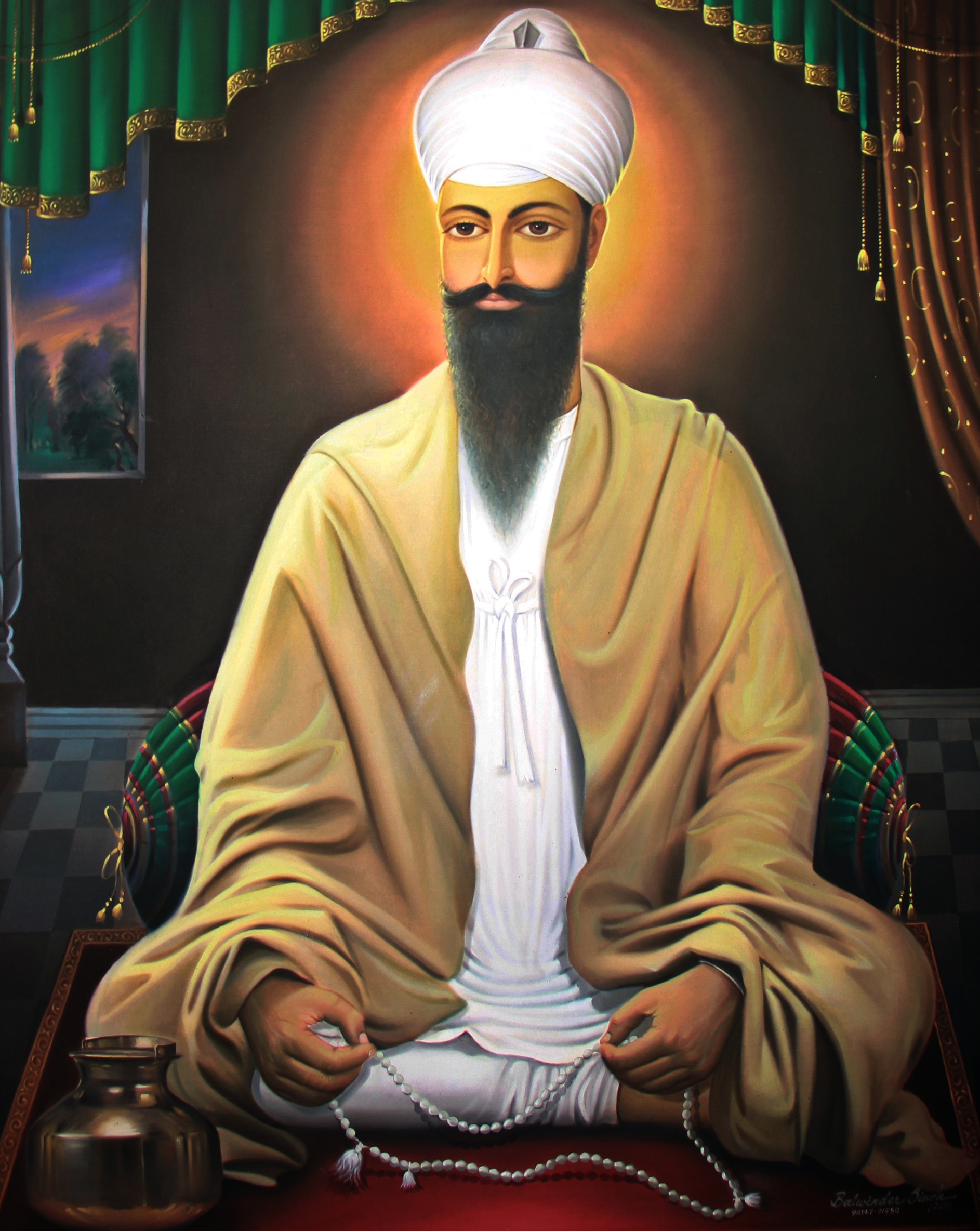
“Guru Gobind Singh’s Granth is the only true one written by inspiration, and is the only sacred writing. Guru Gobind Singh is the real Guru. Any person irrespective of caste or religion can be admitted a convert.”
ਰਹਿਤਨਾਮਾ
ਪਾਤਸਾਹੀ ੧੨
ੴ ਸਤਿਗੁਰ ਪ੍ਰਸਾਦਿ॥
ਲਿਖਤੁਮ ਰਾਮ ਸਿੰਘ, ਹੋਰ ਸੰਬੂਹ ਖਾਲਸਾ ਜੀ ਭੈਣੀ ਦਾ, ਸੰਬੂਹ ਖਾਲਸੇ ਜੀ ਕੋ ਸ੍ਰੀ ਵਾਹਿਗੁਰੂ ਜੀ ਕਾ ਖਾਲਸਾ ਸ੍ਰੀ ਵਾਹਿਗੁਰੂ ਜੀ ਕੀ ਫਤੇ ਬੁਲਾਈ ਪ੍ਰਮਾਨ ਕਰਨੀ ਜੀ।
ਹੋਰੁ ਰਹਿਤਨਾਮਾ ਸੰਬੂਹ ਸੰਗਤ ਦੇ ਵਾਸਤੇ ਲਿਿਖਆ ਭੈਣੀ ਤੇ। ਪਿਛਲੀ ਰਾਤ ਉਠ ਕੇ ਗੜਵਾ ਲਜਾਇ ਕਰ ਮਦਾਨੇ ਹੋਇ ਔਣਾ। ਦੋ ਵਾਰੀ ਗੜਵਾ ਮਾਜਨਾ। ਮਦਾਨ ਬਸਤ੍ਰ ਲਾਹਿ ਕੇ ਜਾਨਾ। ਦਾਤਨ ਕਰਨੀ, ਫੇਰ ਇਸਨਾਨੁ ਕਰਨਾ । ਬਾਣੀ ਪੜਨੀ, ਜੇ ਕੰਠ ਨਾ ਹੋਵੇ ਤਾ ਕੰਠ ਕਰ ਲੈਣੀ, ਸਰਬ ਮਾਈ ਬੀਬੀ, ਸਰਬ ਬੁਢੇ ਬਾਲੇ ਨੇ। ਜਪੁ, ਜਾਪੁ, ਦੁਹਾ ਦੇ ਹਜਾਰੇ ਕੰਠ ਕਰਨੇ। ਰਹਿਰਾਸ, ਆਰਤੀ ਸੋਹਿਲਾ ਏਤਨੀ ਤਾ ਜਰੂਰ ਹੀ ਕੰਠ ਕਰਨੀ ਤੇ ਸੀਲ ਸੰਤੋਖੁ ਸਭ ਨੇ ਰਖਣਾ। ਭਜਨੁ ਅਠੇ ਪਹਰ ਕਰਨਾ ਗੁਰੂ ਸਚੇ ਦਾ।
ਹੋਰੁ ਪਰਾਈ ਧੀ ਭੈਣ ਆਪਣੀ ਜਾਨਣੀ। ਪਰਾਇਆ ਹਕੁ ਗੁਰੂ ਜੀ ਨੇ ਅਗੇ ਹੀ ਲਿਖ ਛਡਿਆ ਹੈ ‘ਹਕੁ ਪਰਾਇਆ ਨਾਨਕਾ ਉਸੁ ਸੂਅਰ ਉਸੁ ਗਾਇ’। ਜੋ ਕੋਈ ਭਜਨੁ ਪੁਛ ਕੇ ਨਾ ਕਰੂਗਾ, ਉਸ ਦਾ ਮੂਹ ਦੁਹੀ ਜਹਾਨੀ ਕਾਲਾ ਹੋਊਗਾ। ਹੋਰੁ ਜੀ, ਕਿਸੇ ਨੇ ਮੰਦਾ ਫਿਕਾ ਨਹੀਂ ਬੋਲਣਾ। ਖਿਮਾ ਕਰਨੀ, ਬੋਲੁ ਕੁਬੋਲੁ ਸਹਿ ਜਾਣਾ ਸਭ ਦਾ। ਜੋ ਕੋਈ ਮਾਰੇ ਕੁਛੁ, ਤਾ ਭੀ ਖਿਮਾ ਕਰਨੀ, ਤੁਸਾ ਦਾ ਰਛਕ ਗੁਰੂ ਹੈ ਹਰਿ ਬਖਤ। ਤੁਸੀ ਬਹੁਤ ਆਪਣੀ ਭਲਾਈ ਛਪਾਉਣ ਦੀ ਕਰਨੀ ਹਰਿ ਬਖਤ। ਦੁਵਾਨੁ ਲਾਉਣਾ, ਹਰ ਦਿਨ ਸਬਦੁ ਕੀਰਤਨੁ ਕਰਨਾ।
ਜੇਕਰ ਜਗ ਕਰਨਾ ਹੋਵੇ ਤਾ ਚੌਕਾ ਦੇਣਾ। ਭਾਡੇ ਕੋਰੇ ਲਿਆਉਣੇ। ਚੌਕੇ ਬਿਚ ਚਰਨ ਧੋਇ ਕੇ ਬੜਨਾ ਅਰ ਹੋਮ ਬੀ ਕਰਨਾ। ਪਹਲੇ ਚੌਕਾ ਦੇਣਾ ਹੋਮ ਦੀ ਜਗਾ, ਲਕੜੀ ਹੋਮ ਵਿਚ ਪਲਾਹ ਦੀ ਪਾਉਣੀ ਜਾਂ ਬੇਰੀ ਦੀ ਪਾਉਣੀ। ਫੂਕ ਨਹੀ ਮਾਰਨੀ ਹੋਮ ਵਿਚ। ਹੋਮ ਦੀ ਅੱਗ ਨੂੰ ਪਖੀ ਨਾਲ ਝਲਣਾ। ਪੰਜ ਆਦਮੀ ਹੋਮ ਵਿਚ ਪੋਥੀਆ ਉਤੋ ਬਾਣੀ ਪੜਨੀ, ਚਉਪਈ, ਜਪੁ, ਜਾਪੁ, ਚੰਡੀ ਚਰਿੱਤ੍ਰ, ਅਕਾਲ ਉਸਤ। ਛੇਵਾਂ ਆਦਮੀ-ਅਹੂਤੀਆ ਪਾਵੇ। ਸਤਵਾਂ ਮਗਰੋ ਨਾਲ ਹੀ ਜਲ ਦਾ ਛਿਟਾ ਦੇਵੇ ਥੋੜਾ ਥੋੜਾ। ਜੇ ਕੋਈ ਮੰਦਾ ਕਰਮੁ ਕਰੇ ਜਾਰੀ ਚੋਰੀ ਤਾ ਕਿਸੇ ਹੀ ਥਾ ਦੁਵਾਨੁ ਬਿਚ ਨਹੀ ਬੜਨ ਦੇਣਾ। ਜੇ ਕਰ ਜੋਰਾਬਰ ਹੋਵੇ ਤਾ ਸਭਨਾ ਨੇ ਏਹੁ ਅਰਦਾਸ ਕਰਨੀ ਜੀ ਏਹੁ ਆਦਮੀ ਏਥੇ ਆਉਣ ਜੋਗਾ ਈ ਨਾ ਰਹੇ।
ਹੋਰੁ ਜੀ, ਮੇਰੀ ਮਤ ਬਹੁਤ ਥੋੜੀ ਹੈ। ਤੁਸੀ ਆਪ ਹੀ ਸਭ ਕੁਛ ਸਮਝ ਲੈਣਾ ਜੀ। ਹੋਰੁ ਜੀ, ਸਭ ਨੇ ਹਥ ਜੋੜਨੇ ਪਰਮੇਸਰ ਅਗੇ । ਜੋ ਹੇ ਮਹਾਰਾਜ ! ਸਾਡਾ ਧਰਮੁ ਬਣਿਆ ਰਹੇ ਜੀ। ਹੋਰ ਕਛਾ ਰਖਣੀਆ, ਪਉਚਾ ਪਾਕੇ ਪਉਚਾ ਲਹੁਣਾ। ਹੋਰੁ ਜੀ, ਕਿਸੇ रा ਮੰਦਾ ਕਰਮ ਛਪਾਉਣਾ ਨਹੀ ਕਿਸੇ ਨੇ। ਹੋਰ ਜੀ, ਕਿਸੇ ਨੇ ਧੀ ਭੈਣ ਦਾ ਪੈਸਾ ਨਹੀ ਲੈਣਾ, ਬਟਾ ਨਹੀ ਕਰਨਾ। ਸਦਾ ਗੁਰੂ ਗੁਰੂ ਜਪਦੇ ਰਹਿਣਾ।
ਸਾਰੇ ਬਹੀਰ ਨੂੰ ਏਹੁ ਹੁਕਮ ਸਾਰ ਬਹਰ ਨੂ ਏਹੁ ਹੁਕਮ ਸੁਣਾਇ ਦੇਣਾ ਜੋ ਪੰਦਰਾ ਸੋਲਾ ਬਰਸ ਤੇ ਘਟ ਕੋਈ ਨਾ ਕੁੜੀ ਬਿਆਹੇ। ਦਾਰੂ ਮਾਸ ਨਹੀ ਖਾਣਾ ਪੀਣਾ। ਖੌਫ ਰਖਣਾ ਗੁਰੂ ਦਾ ਹਰਿ ਦਮ।
੧. ਚੰਡੀ ਦੀ ਵਾਰ ਅਤੇ ਉਗ੍ਰਦੰਤੀ ਇਹ ਬਾਣੀਆਂ ਹਵਨ ਵਿੱਚ ਪੜ੍ਹਨ ਦਾ ਹੁਕਮ ਸ੍ਰੀ ਸਤਿਗੁਰੂ ਹਰੀ ਸਿੰਘ ਜੀ ਨੇ ਦਿੱਤਾ ਸੀ।
੨,੩. (ਛੇਵਾਂ ਅਤੇ ਸਤਵਾਂ) ਇਹ ਦੋਵੇ ਭਜਨ ਕਰਨ।